
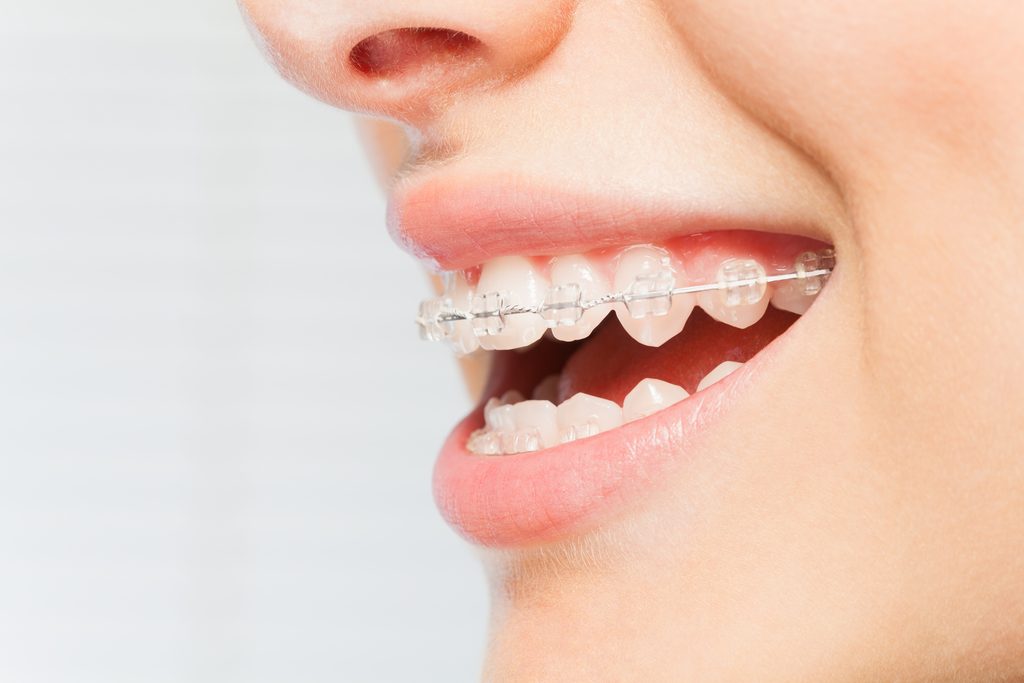
When you think about orthodontics, you probably think about creating a straighter, more attractive smile. However, moving your teeth can sometimes have functional benefits as well. If the way your upper and lower teeth come together is contributing to strain around your temporomandibular joints (TMJs), improving your bite may help reduce that stress.
James Martin, DMD, offers Invisalign and takes a comprehensive approach to bite concerns. For the right patient, orthodontic treatment can create a straighter smile while improving the way the teeth and jaws work together.
The Connection Between Your Bite and Your TMJ
Your temporomandibular joints connect your lower jaw to your skull and help your mouth move when you chew, speak, and yawn. These joints don’t work independently. Your teeth, bite, jaw muscles, and TMJs all function together.
When your teeth don’t come together comfortably, your jaw may have to compensate for that imbalance. Depending on your individual case, this can contribute to problems such as:
- Jaw soreness or tension
- Facial discomfort
- Difficulty or discomfort while chewing
- Headaches
- Uneven tooth wear
- Teeth grinding or clenching
Not every case of TMJ pain is caused by bite alignment, which is why orthodontics isn’t a universal TMJ treatment. However, when the bite is contributing to discomfort, changing tooth position may be one way to improve function.
How Invisalign Can Improve Your Bite
Invisalign is known for discreetly straightening teeth, but cosmetic improvement isn’t its only potential benefit. Clear aligners can also correct certain bite concerns by gradually guiding teeth into new positions.
As your teeth move, the relationship between your upper and lower arches can change as well. Creating a more balanced bite may help distribute biting and chewing forces more evenly instead of placing excessive stress on certain teeth or areas of the jaw.
Dr. Martin considers the entire bite when planning Invisalign treatment. The goal isn’t simply to make the front teeth look straighter—it is to create results that complement the function of your smile.
Finding Relief During Invisalign Treatment
Orthodontic improvements happen gradually, and changes in TMJ discomfort may also occur over time rather than immediately.
Invisalign uses a series of clear aligners to make controlled adjustments to tooth position. The aligners have smooth surfaces without brackets or wires, and they can be removed when you eat, brush, and floss.
Your bite will continue changing as you progress through your aligner series. Regular visits give Dr. Martin an opportunity to monitor your tooth movement, bite, and comfort along the way. When necessary, adjustments can be made to help keep your treatment moving toward its planned result.
Maintaining a More Comfortable Bite After Treatment
The benefits of orthodontic treatment don’t end when you finish your last set of aligners. If an imbalanced bite was contributing to excess jaw strain, maintaining your improved tooth positions can help preserve a more stable relationship between your teeth and jaws.
Wearing your retainers as directed is an important part of maintaining those results. Without retention, teeth can gradually shift toward their previous positions.
Some patients may also need additional TMJ care after orthodontics. Grinding, clenching, muscle tension, and other factors can still affect the jaw even when the teeth are properly aligned.
Invisalign Isn’t the Only Orthodontic Option
While Invisalign is an excellent option for many patients, different orthodontic approaches can address different types of tooth and bite concerns. The right treatment depends on factors such as your tooth positions, bite, oral health, lifestyle, and the complexity of the movements required.
Rather than positioning one orthodontic option as the solution for every patient, the focus should be on creating a functional final result.
Find Relief With Dr. Martin
With more than 2,000 hours of post-residency training, Dr. Martin looks at the big picture when planning your care. If TMJ discomfort and bite concerns are interfering with your everyday comfort, schedule a consultation at James Martin, DMD, to learn whether Invisalign or another treatment could help your smile keep climbing to new heights.
